The Role of AI and Automation in Modern UK Cargo Shipping
“For UK shipping leaders, AI is no longer an innovation it’s a commercial necessity.”
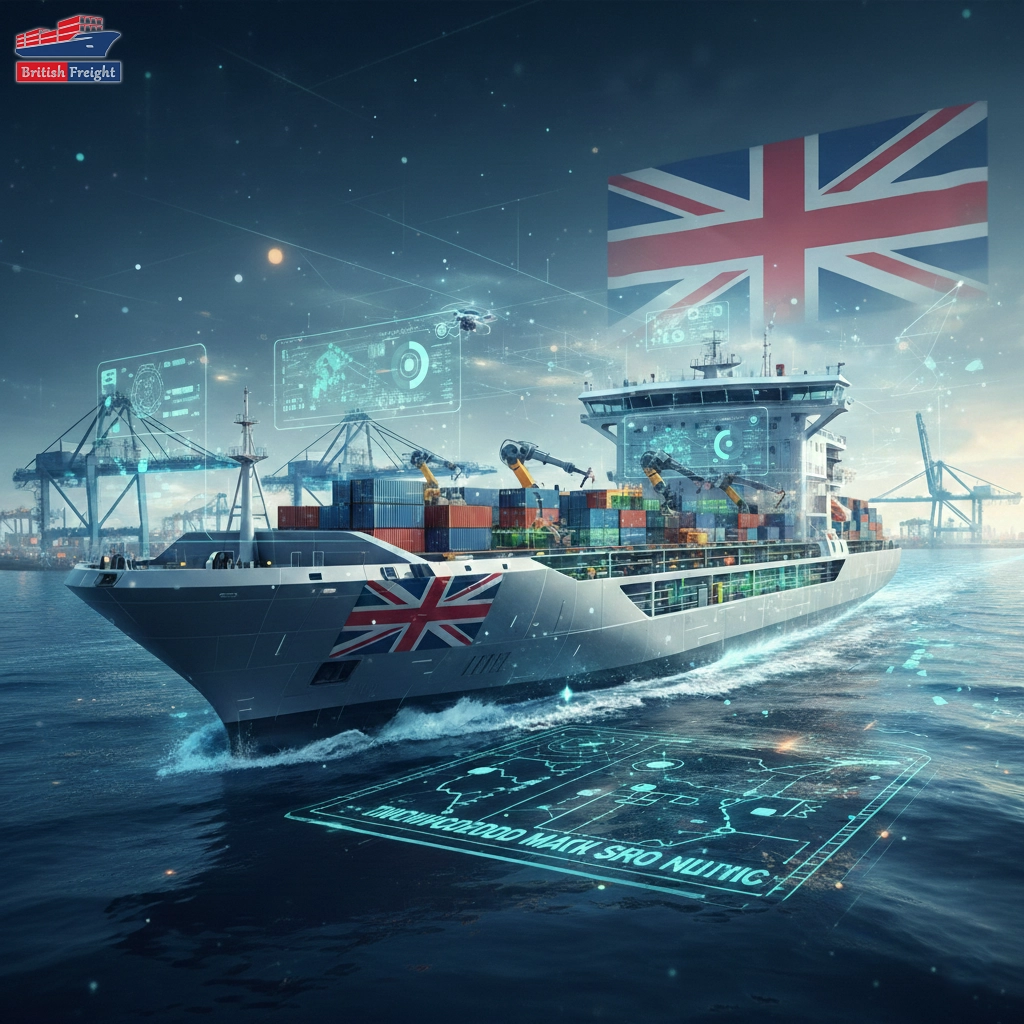
Automated ports, predictive maintenance, and AI-driven route planning are redefining maritime logistics.
As global trade accelerates, AI-driven systems are setting new benchmarks for speed, accuracy, and profitability. Intelligent automation is transforming how decisions are made, risks are managed, and profits are protected.
Hence, undoubtedly AI and automation play an important role in modern UK cargo shipping companies.
We highlight a few key pointers.
- AI-powered route optimisation
- Predictive demand forecasting
- Automated port operations
- Real-time cargo tracking
- Smart warehousing systems
- Reduced human error
- Faster customs processing
- Improved supply chain visibility
- Enhanced safety and compliance
- Lower fuel costs and emissions
AI and Automation in UK Cargo Shipping
AI and automation are driving innovation in UK cargo shipping while supporting sustainability goals.
Technologies such as machine learning, robotic process automation, and intelligent tracking systems help identify inefficiencies, optimise routes, and improve port operations.
As trade volumes increase, AI-powered logistics solutions support safer, faster, and more sustainable cargo transport across the UK. These technologies help international cargo shipping UK serve to improve delivery accuracy, manage cargo in real time, and stay competitive in an increasingly digital supply chain.
What AI Means for Modern Logistics?
AI in modern logistics acts like a digital brain that analyses data and improves everyday operations.
By using AI-powered tools for route optimisation, warehouse automation, and predictive analytics, logistics firms can cut fuel costs and speed up deliveries.
As a result, companies can deliver goods more accurately, reduce waste, and create a smoother experience for customers. With AI, logistics operations become more resilient, allowing businesses to adapt quickly to market changes and unexpected disruptions.
Key Automation Technologies in Freight
Freight automation technologies are reshaping logistics by enabling faster processing and smarter transport decisions.
AI-based planning tools, automated loading systems, and real-time tracking help businesses improve efficiency and meet growing customer demands.
By adopting automation, logistics providers can deliver faster, smarter, and more reliable freight solutions. These smart solutions help freight shipping companies UK to lower costs while maintaining competitive service levels.
How AI Is Transforming UK Supply Chains?
AI is helping UK supply chains become more customer-focused than ever. Machine learning tools analyse historical and live data to optimise demand forecasting, inventory levels, and logistics planning.
This enables faster decision-making, reduced operational costs, and improved customer satisfaction—giving UK firms a strong competitive edge. Smart algorithms can spot risks, predict disruptions, and recommend better routes before problems occur.
As a result, UK supply chains are becoming more agile and better prepared for unexpected disruptions.
Smarter Route Planning and Scheduling
Smarter route planning and scheduling enable freight companies to optimise deliveries by avoiding congestion and reducing travel distances. Optimised routes reduce empty miles, avoid congestion hotspots, and improve driver productivity.
These systems dynamically adjust routes in real time, helping UK cargo operators minimise delays and carbon emissions.
This leads to faster delivery times, more efficient, eco-friendly, customer-focused, lower fuel costs, and improved sustainability across UK freight operations.
Real-Time Cargo Tracking Systems
Real-time cargo tracking systems offer complete visibility from warehouse to doorstep. Track your goods at any time, get instant notifications on delays, and maintain full control over your logistics.
Businesses benefit from automated alerts for deviations, delays, or temperature changes, ensuring goods arrive safely and on time. With these container freight UK systems, supply chains become more transparent, efficient, and resilient.
Companies can now anticipate delays, optimise routes, and improve overall operations in a hassle-free manner.
Operational Benefits for UK Freight Companies
Operational efficiency in UK freight companies directly impacts the bottom line. By leveraging technology such as automated scheduling, fuel-efficient routing, and warehouse management systems, companies can cut unnecessary expenses and reduce fuel consumption.
Ensuring smooth, safe operations boosts reliability and strengthens trust with clients and partners, giving businesses a strong reputation in the industry.
These advantages not only support environmental goals but also position companies as responsible, forward-thinking players in the UK logistics market.
The Future of AI-Driven Cargo Shipping
In the UK, AI-driven logistics platforms are enabling smarter decision-making, ensuring shipments arrive on time, reducing human error, and transforming traditional freight into a fully connected, high-tech, door-to-door cargo services network.
From predictive maintenance to automated route optimisation, AI-driven systems can reduce delays, cut operational costs, and minimise environmental impact.
Integration of AI in cargo shipping is reshaping the industry with unprecedented precision and efficiency.
The future of AI-driven cargo shipping enhances these specific points:
- AI forecasts demand accurately
- Optimised cargo consolidation
- Improved customer experience
- Transparent supply chain
- Safer, smarter logistics
Predictive Analytics in Freight Planning
Predictive analytics in freight planning helps logistics companies forecast demand, plan efficient routes, and reduce delays. Adopting this technology is a key step toward smarter, more resilient supply chains.
For UK freight companies, adopting predictive analytics is becoming a critical strategy for staying competitive in a fast-paced market. Logistics operators can now forecast shipment volumes, detect bottlenecks, and streamline routes with remarkable accuracy.
Using data-driven insights, UK freight operators can cut costs, improve delivery times, and enhance customer satisfaction.
AI Trends Shaping UK Logistics
Emerging trends like autonomous vehicles, AI-driven fleet management, and predictive analytics are reshaping supply chains.
Intelligent automation in warehouses and distribution centres boosts accuracy while cutting operational costs. These AI trends are helping UK logistics companies stay competitive in a fast-paced market and businesses.
Companies embracing these technologies gain a competitive edge, ensuring shipments arrive faster and more reliably.
Final Thought
The future of UK cargo shipping is smart, automated, and environmentally conscious. AI-driven operations not only enhance efficiency but also help reduce fuel consumption.
By embracing these technologies, UK freight companies can reduce delays, cut costs, and provide smarter services.
If you are looking for a dependable cargo and freight service, then British Freight is the ultimate solution for all your concerns.
British Freight combines innovative technology with sustainable practises to ensure your cargo moves efficiently while supporting a greener planet.
FAQs
Does AI help reduce shipping costs?
Absolutely. By optimising routes, predicting maintenance needs, and reducing manual labour, AI lowers operational costs for UK cargo companies
Can AI improve customer satisfaction?
Yes, by providing real-time tracking updates, accurate delivery estimates, and faster resolution of shipping issues.
What does the future of AI and automation in UK cargo shipping look like?
The future includes fully autonomous vehicles, intelligent ports, predictive logistics, and greener, faster, and smarter shipping operations.
What types of AI technologies are used in shipping?
Common AI technologies include machine learning, predictive analytics, computer vision, and robotic process automation.