
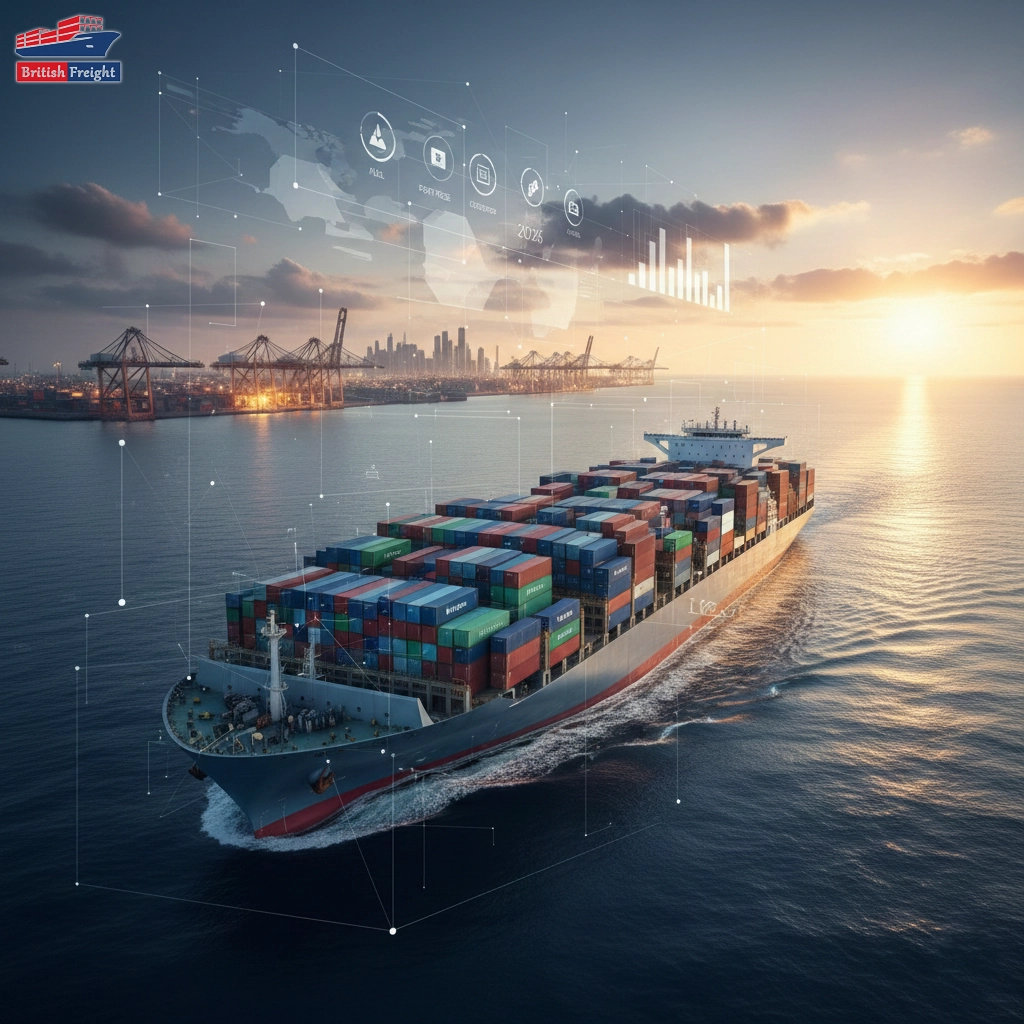
How to Calculate Container Freight Rates Accurately in 2026
From ocean freight and fuel surcharges to port fees and handling charges, every cost component matters.
Mastering container freight rates empowers you to control costs, negotiate better deals, and plan deliveries with precision. In this guide, we simplify the calculation process so you can move cargo with confidence.
Here are some of the essential key factors which we have to keep in mind in order to calculate accurate container freight rates for shipment.
- Container Type (20ft, 40ft, Reefer)
- Port of Loading & Discharge
- Shipment Weight & Volume
- Full Container Load (FCL) vs Less Than Container Load (LCL)
- Fuel, Seasonal, and Terminal Surcharges
- Demurrage, Detention, and Documentation Fees
- Shipping Line and Estimated Transit Time
Understanding Container Freight Rates In Detail
Container freight rates involve more than basic the basic cost per container shipping costs. Freight rates are shaped by multiple elements, including ocean freight charges, fuel surcharges, port handling fees, and carrier-specific costs.
Factors such as shipment volume, transit time, and route selection also influence pricing. From fuel costs and carrier surcharges to port congestion and seasonal demand, many factors influence pricing.
What Is Included in Freight Rates?
Most freight rates include the core transport cost, whether by air, sea, or land. Freight rates UK may also include terminal handling, basic paperwork, and carrier fees.
However, services such as customs clearance, duties, insurance, warehousing, and last-mile delivery are often excluded and billed separately.
These rates vary depending on shipment type, route, and carrier policies. A few types are mentioned as below:
- Transportation Charges
This is the main cost of moving goods from origin to destination via sea, air, or road. - Fuel Surcharges
Fuel costs fluctuate regularly, so carriers often add a fuel surcharge to freight rates. - Terminal Handling Charges (THC)
These charges cover loading, unloading, and handling at ports or terminals. - Documentation Fees
Basic paperwork, such as bills of lading and airway bills is often included. - Carrier & Operational Fees
These include carrier administration and operational costs.
Importance of Accurate Rate Calculation
Calculating container freight rates accurately streamlines your freight management and optimises your spend. This process ensures you account for every expense —from documentation to customs duties preventing unexpected invoices and improving supply chain transparency.
This accuracy helps businesses avoid unexpected charges, improve budgeting, and enhance overall supply chain efficiency. Over time, accurate rate calculation becomes a foundation for sustainable growth and long-term success in global trade.
Key Cost Elements in Container Shipping
Understanding container freight rates requires looking at several moving parts that collectively determine your total landed cost. In addition to base rates, variable costs like peak season surcharges and container detention often apply depending on port congestion. Consequently, by mastering these elements, your company can negotiate better with forwarders. To simplify this, we have highlighted the three major factors below.
Navigating 2026 Surcharges: Beyond the Base Rate
The 2026 shipping landscape has shifted due to environmental regulations and geopolitical rerouting. You must account for the VATOS (Valid At Time Of Shipment) rule, meaning your quoted container freight rates may change if the vessel departs later than planned.
Furthermore, 2026 introduced mandatory ICS2 Version 3 security filing fees for all goods entering or transiting the EU. On top of this, the Cape of Good Hope diversion now a standard route to avoid Red Sea instability has added roughly 10–15 days to transit times, directly increasing operational costs and fuel burn.
Strategic Budgeting: The Total Landed Cost Formula
To truly understand your bottom line, you cannot look at container freight rates in isolation. You must calculate the Total Landed Cost.
By breaking down the cost per unit (Total Landed Cost ÷ Number of Units), you can set accurate retail prices and avoid “budget leaks” caused by overlooked Carbon Review Surcharges (CRS).
Ocean Freight Charges
Improving ocean freight rates through smart planning and the right carrier can significantly reduce overall shipping expenses. Ocean freight charges are the core cost of shipping goods by sea and depend on factors like container type, cargo volume, route distance, and market demand.
Port and Terminal Costs
The port charges, efficiency and location make port selection a key factor in controlling logistics costs. Port and terminal costs include fees for container handling, loading, unloading, storage, and port documentation at origin and destination ports.
Fuel and Seasonal Surcharges
Planning shipments during off-peak periods and monitoring surcharge trends can help businesses manage rising freight costs effectively. Fuel and seasonal surcharges are additional costs applied to offset fluctuating fuel prices and peak shipping seasons.
Step-by-Step Container Freight Rate Calculation and Hidden Costs
By breaking the process into steps, choosing the right container, understanding base rates, adding surcharges, and factoring in customs and insurance, you can estimate costs accurately and avoid hidden fees.
Along with careful planning, you can avoid surprises, optimise logistics, and make international shipping a predictable and manageable part of your business.
Only the accurate calculation ensures you avoid hidden fees, improve cash flow management, and plan future shipments.
Calculating Base Freight
To begin the process, you must calculate the base freight to establish a realistic logistics budget. This specific cost depends on the shipment’s weight, volume, and the distance between ports. Moreover, factors like shipping modes and package dimensions directly influence the final price, forming the foundation of your total spend.
Adding Local and Destination Charges
Local and destination charges are additional costs beyond base freight, representing expenses at the shipment’s departure and arrival points. Including these charges helps businesses avoid unexpected fees and plan their logistics budget effectively.
Demurrage and Detention Fees
Controlling demurrage and detention charges is vital for protecting your profit margins. Specifically, demurrage fees accrue at the port storage level, whereas detention applies when you hold containers past the agreed return date. By monitoring these timelines, you can avoid avoidable penalties and keep your shipping costs predictable.
Documentation and Customs Charges
Handling documentation and customs fees is a critical part of freight management. Furthermore These charges cover paperwork preparation, customs clearance. Consequently, ensuring these fees are paid on time guarantees legal compliance and prevents cargo transit delays and any duties or taxes required by the destination country. These charges ensure legal compliance and smooth cargo transit.
How to Reduce Freight Cost Errors?
To begin with, freight cost errors occur more frequently than most businesses realize. However, you can prevent these leaks with a proactive strategy. For instance, start by double-checking shipment data and verifying carrier rates. Additionally, keeping track of accessorial charges ensures your budget stays on track.
Use Online Freight Tools
Digital transformation has revolutionized how we handle logistics in a hassle-free manner. In fact, embracing digital solutions is now a mandatory step toward efficient shipping. Not only do online freight tools allow you to see the entire booking process, but they also help you monitor delivery status in real-time. As a result, you have all essential information right at your fingertips.
There are some of online freight tools mentioned below:
- Freightos
- Flexport
- iContainers
- Shipa
Working with experienced logistics partners who offer transparent pricing and audit services can further reduce unexpected costs, making your freight operations more efficient and budget-friendly without any errors.
Freight cost errors are more common than many businesses realise, but they can be prevented with a proactive approach.
Start by double-checking shipment information, verifying carrier rates, and keeping track of accessorial charges.
Choose the Right Shipping Partner
Look for partners with a proven track record, advanced tracking technology, fuel surcharges and responsive customer support.
It may be a challenging process until you will find a partner to trust. It is necessary to consider factors such as delivery speed, service coverage, customer support, and cost-effectiveness in shipping partners.
By choosing wisely, businesses can reduce shipping errors, save on costs, and improve delivery speed, ultimately strengthening brand reliability and market competitiveness.
Final Thought
Improving your supply chain starts with mastering container freight rates. By using the right 2026 indices like the FBX or Xeneta and partnering with experts, you turn logistics from a headache into a competitive advantage.
If you need a partner to automate your cost calculations, British Freight provides a one-stop solution for global trade. Ready to streamline your shipping? Reach out to British Freight today!
FAQs
What documents are needed to calculate container freight rates accurately?
You’ll need shipment details such as cargo type, weight, volume, container type, origin, destination, and preferred service level.
How can I reduce container freight costs?
You can consolidate shipments, choose the right container type, negotiate rates with shipping lines, and avoid demurrage/detention charges.
What factors affect container freight rates?
Rates depend on container type, shipment volume, origin and destination ports, fuel surcharges, seasonal demand, and additional services like insurance or customs handling.
Why is calculating accurate container freight rates important?
Accurate rates help avoid unexpected costs, improve budgeting, and ensure profitability in international shipping.