
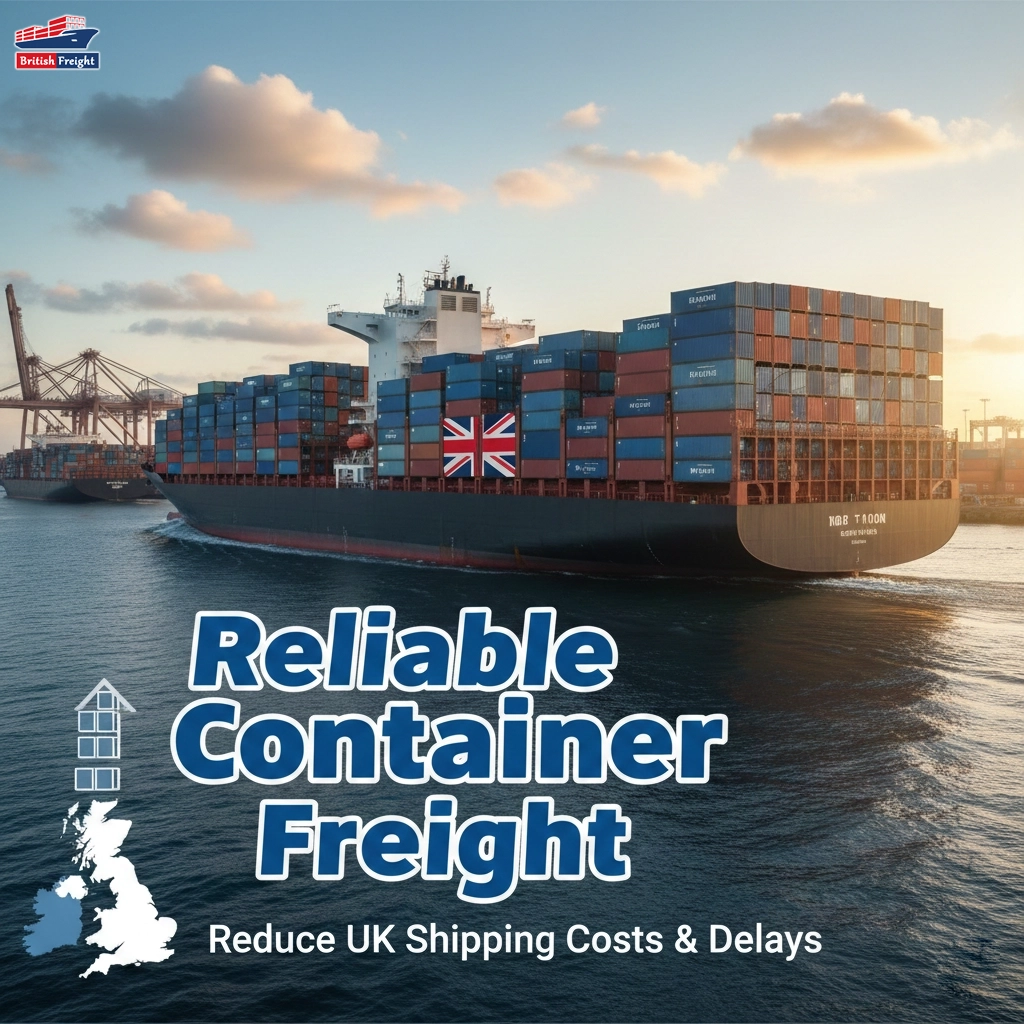
Reliable Container Freight: Reduce UK Shipping Costs & Delays
Are you searching for a reliable container freight service? Struggling to find the best and most holistic support services? Then you have landed on the right blog. The beneficial container shipping from the UK requires a balance between cost control and operational consistency. Simply using container freight from the UK is a key component of international trade, but rising transportation costs and schedule by avoiding the unexpected delays in the delivery. According to the Statista Report, only 17 per cent of the UK’s leading retailers in the country offer free shipping, and the average return fee stands at 11.5 British pounds. Customers are seeking dependable companies for container freight solutions and long-term logistics efficiency.
Key Benefits of Container Shipping Over Other Freight Options
The facility of container shipping benefits from an extensive and well-established global network effortlessly. With ports on every continent, it’s easier than ever to get your products from one country to another with our freight from UK to Pakistan options.
Whether you’re shipping from the U.S. to Europe or from China to South America, container ships have reliable and frequent routes, which ensure your goods arrive on time.
Here are some major key benefits of providing container shipping over freight options are mentioned:
- Cost-Effectiveness and Flexible Pricing
- Reduced Labour and Transportation Cost
- Global Outreach and Fast Accessibility
- Efficient Tracking and Monitoring System
100% Environment Friendly
- Wide Access to the International Market
- Guaranteed Safe and Protected
- Quick Loading and Unloading
Every business firm opts for container shipping over other freight due to all these budget-friendly and sustainable options.
This is considered as an ideal choice for many companies that need to ship a large volume of goods overseas at an affordable price.
Common Challenges in Cargo Shipping from the UK
Many shippers still struggle with limited real-time visibility of their cargo. Especially in a fast-moving country like the UK. The cargo shipping service might face a number of common challenges and delays to ensure the timely delivery of products.
Here are some of the most common difficulties that may occur while using cargo shipping services:
- Customs and Documentation Issues
- Port Congestion and Delays
- Rising Freight Costs
- Regulatory Compliance and Trade Restrictions
- Supply Chain Disruptions
- Limited Visibility and Tracking
- Environmental and Sustainability Pressures
- Skilled Labour Shortages
Proven Ways to Reduce Cargo Shipping Costs Without Delays
In today’s advanced world, rising fuel prices and inflation are major issues that are faced by us all.
However, along with the right strategy, mindful planning and time management can easily reduce the cargo shipping costs without any compromise on delivery speed.
Reducing shipping costs doesn’t have to mean sacrificing speed or reliability.
Here are a number of actionable methods that help you to save money while keeping shipment costs reasonable and ensuring timely delivery without any risk of delay.
1. Plan Shipments in Advance
Advanced planning is the best way to reduce the risk of errors, missed deadlines, and emergency fees.
Planning shipments ahead of time, you gain access to more affordable routes, flexible schedules, and better carrier availability.
2. Consolidate Cargo Whenever Possible
Cargo consolidation allows multiple shipments to share space, reducing per-unit shipping costs.
- Combine smaller shipments into full container loads (FCL)
- Use less-than-container load (LCL) strategically
- Coordinate shipping schedules across departments or partners
3. Choose the Right Shipping Mode
While air freight is fast, it’s also the most expensive. Ocean, rail, or road transport can offer significant savings when delivery timelines allow.
- Air-freight: Best for urgent or high-value goods
- Ocean-freight: Ideal for bulk and non-urgent shipments
- Rail-and-road: Cost-effective for regional and inland transport
4. Optimise Packaging and Dimensions
Inefficient packaging leads to higher charges and wasted space.
- Use right-sized boxes and containers.
- Reduce excess packaging materials.
- Stack and palletise goods efficiently.
In order to ensure that optimised packaging lowers freight costs and minimises the risk of damage-related delays.
5. Negotiate Rates with Carriers
If you ship regularly or in high volumes, carriers are often willing to offer discounts or customised pricing.
Negotiation areas may include:
- Long-term contracts
- Volume-based discounts
- Fuel surcharge adjustments
Building strong relationships with reliable carriers can lead to better pricing and priority service.
6. Leverage Technology and Automation
With the modern technological growth and AI boom, every department is affected. Technology reduces human error and keeps shipments moving smoothly.
Transportation Management Systems (TMS) help businesses compare carrier rates, track shipments in real time, and identify inefficiencies.
Here are some of the essentials for it:
Fewer delays due to better tracking
Automated documentation and compliance
Data-driven decisions for route optimisation
7. Avoid Hidden Fees and Compliance Issues
Compliance saves money and prevents shipments from being held up at ports or borders. Customs penalties, storage fees, or demurrage can inflate shipping costs and cause delays. Ensuring accurate documentation and regulatory compliance is necessary.
There are a few important pointers which we have to keep in mind in order to avoid any issues in this regard.
- Double-cheque customs paperwork
- Understand import/export regulations
- Label cargo correctly
8. Work with Reliable Logistics Partners
A trusted logistics partner offers consistent performance, transparent pricing, and proactive problem-solving. Hence, the reliability ensures your shipments arrive on time without surprise costs.
Container freight from UK to Dubai Key Cost Considerations
The UK to Dubai shipping route is a major trading hub in the global market. We have all types of supporting industries, such as retail, manufacturing, construction, and automotive exports.
The shipping costs from the-UK-to-Dubai can vary depending on container type, cargo volume, transit time, and compliance requirements. By analysing these factors in advance, shippers can optimise both premium cost and delivery schedules.
Understanding the key cost considerations from freight rates and port charges to customs and inland transport businesses can make informed decisions, control expenses, and ensure timely deliveries.
In the table, we mention the key cost consideration particularly for the UK to Dubai.
| S.No | Cost Category | Essentials | Cost Range Impact |
| 1 | Container Type & Size | 20ft, 40ft, High Cube, Reefer | High |
| 2 | Ocean Freight Rate | Base sea freight charge | High |
| 3 | Fuel Adjustment Factor (BAF) | Fuel price surcharge | Medium–High |
| 4 | UK Port Charges | Terminal handling, port service fees | Medium |
| 5 | Dubai Port Charges | Port documentation | Medium |
| 6 | Customs Clearance (Dubai) | Import declaration, inspection fees | Medium |
| 7 | Duties and Taxes | Import duty + VAT (if applicable) | Medium |
| 8 | Documentation Fees | Bill of Lading, export docs, compliance | Low |
| 9 | Inland Transport (UK) | Trucking from the warehouse to the UK port | Medium |
| 10 | Cargo Insurance | Loss, damage, marine insurance | Low |
| 11 | Transit Time Risk Cost | Delays due to congestion/weather | Indirect Cost |
Final Thought
A well managed freight strategy ensures smoother cargo shipping operations, predictable transit times, and long-term savings, making container shipping from the UK a dependable solution for global trade. Understanding key factors such as freight planning, carrier reliability, documentation accuracy, and container selection allows shippers to minimise unnecessary expenses and avoid delays. We provide a well-planned shipping strategy, and businesses can streamline operations, protect profit margins, and ensure their cargo reaches its destination safely and on time. If you want timely delivery, no security issues, and highly affordable charges. Connect to British Freight today. We are the one-stop solution for all your problems. Start saving on shipping without delays.
FAQs
How long does your container shipping service from the UK usually take?
Depending on the destination and shipping route, it normally takes 18 to 35 days.
How can your cargo consolidation reduce shipping costs?
We allow multiple shipments to share container space, lowering overall freight costs for smaller consignments and cargo consideration.
What should I consider when choosing a container freight provider?
There are many factors, but most importantly, global network coverage, transparent pricing, on-time delivery records, and customer support.
Can a freight forwarder help reduce shipping expenses?
Yes, experienced freight forwarders negotiate better rates, optimise routes, and manage documentation efficiently.